
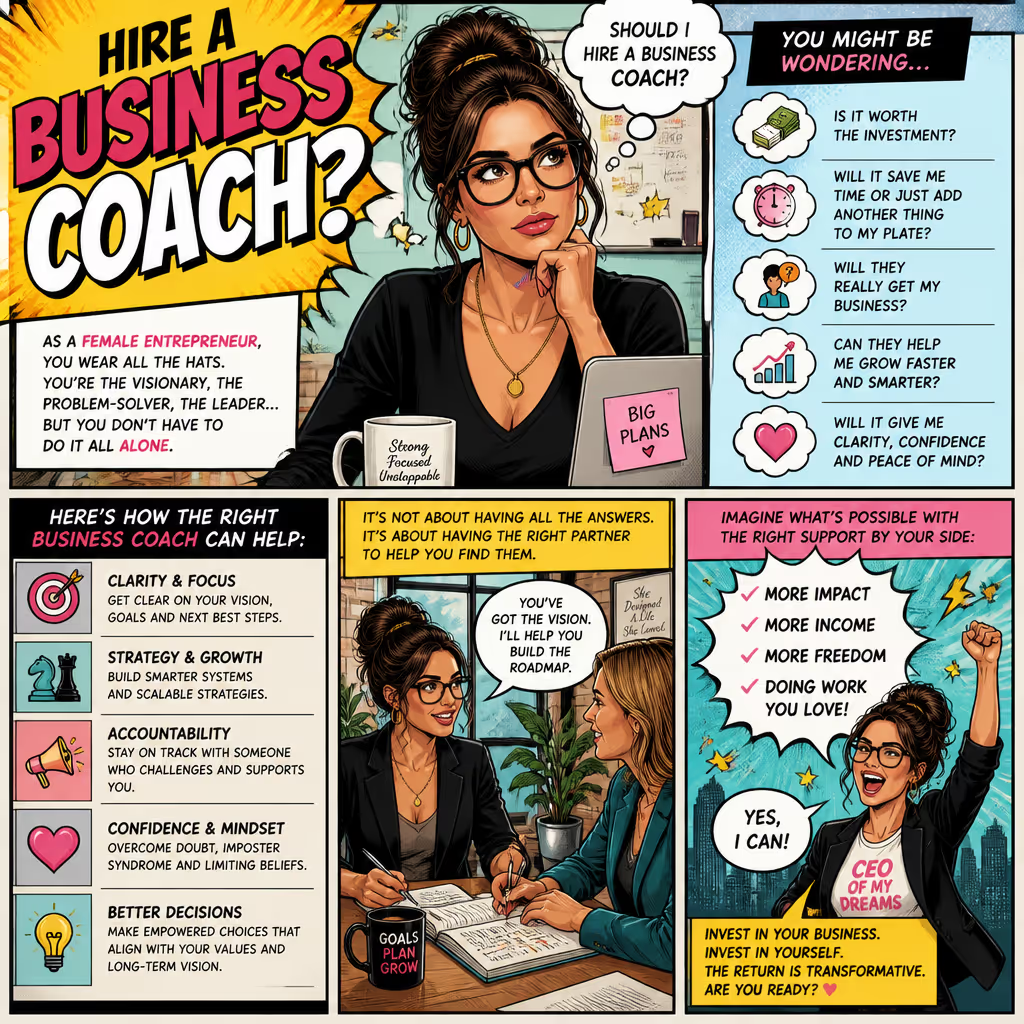
Recognising when you need professional support can be the turning point between struggling and thriving in your business. Many women entrepreneurs push through challenges alone, believing they should have all the answers. But the truth is, knowing when to hire a business coach is a sign of strength and strategic thinking, not weakness.
Business coaching provides the external perspective, accountability, and expertise that can transform how you run your company. Whether you're experiencing rapid growth, feeling constantly overwhelmed, or simply ready to scale sustainably, understanding the signs that indicate you need a coach can help you make this important decision with confidence.
What Does a Business Coach Actually Do?
A business coach works alongside you to identify obstacles, create strategic plans, and hold you accountable to your goals. Unlike consultants who tell you what to do, coaches ask powerful questions that help you discover your own solutions while providing expert guidance along the way.
The coaching relationship focuses on both your business systems and your personal development as a leader. Your coach helps you see blind spots, challenges limiting beliefs, and creates structures that support sustainable growth. This includes everything from financial planning and operational efficiency to mindset shifts and boundary setting.
Professional coaching differs from mentorship in important ways. Mentors typically share their own experiences and advice based on their journey, while coaches use proven frameworks and techniques tailored specifically to your situation. A business coach brings objectivity, formal training, and a structured process designed to move you from where you are to where you want to be.
Five Clear Signs You're Ready for a Business Coach
Your Business Growth Has Plateaued
When your revenue flatlines or client acquisition stalls despite your best efforts, you're experiencing a growth plateau. This stagnation often happens because the strategies that got you here won't get you to the next level. You might notice that your marketing efforts yield diminishing returns or that you're working harder but seeing the same results.
An external perspective can identify the invisible ceilings holding you back. Sometimes you're too close to your business to see what's not working. A business coach brings fresh eyes to your challenges and helps you recognise patterns you've been missing. They can spot opportunities you've overlooked and identify strategies that align with where you want to go, not just where you've been.
Growth plateaus signal that your internal strategies have reached their limit. This is the perfect time to bring in professional support before frustration turns into burnout. Coaches help you break through these ceilings by introducing new frameworks, challenging your assumptions, and creating action plans that reignite momentum in your business.
You Feel Constantly Overwhelmed by Daily Operations
Operational chaos shows up as endless to-do lists, missed deadlines, and the nagging feeling that you're always behind. When overwhelm becomes your default state, it clouds your judgment and makes even simple decisions feel impossible. You might find yourself reacting to urgent matters all day while important strategic work gets pushed aside indefinitely.
Wearing too many hats simultaneously is exhausting and unsustainable. As a business owner, you're the CEO, accountant, marketer, customer service representative, and everything in between. This constant context-switching drains your energy and prevents you from focusing on the high-value activities that actually grow your business.
Overwhelm doesn't just impact your business; it affects your health, relationships, and overall quality of life. When you're too tired to enjoy your success or too stressed to be present with loved ones, professional support becomes necessary. A business coach helps you create systems, delegate effectively, and prioritise what truly matters so you can reclaim both your time and your peace of mind.
Financial Clarity Feels Out of Reach
Many entrepreneurs struggle to understand their profit margins, cash flow, and financial health. When numbers feel confusing rather than empowering, you're making decisions in the dark. You might have revenue coming in but feel uncertain about whether you're actually profitable or how much you can afford to pay yourself.
Financial uncertainty creates anxiety that permeates every business decision. Should you hire that team member? Can you invest in that marketing campaign? Without clear financial data and understanding, these questions become paralyzing. You might avoid looking at your numbers altogether because they feel overwhelming or shameful.
The cost of financial confusion extends beyond stress; it leads to missed opportunities and poor strategic choices. A business coach with expertise in financial management helps you create simple systems for tracking your numbers, understand what they mean, and use them to make confident decisions. This clarity transforms your relationship with money from fearful to empowered.
You're Struggling to Make Strategic Decisions Alone
Analysis paralysis keeps you stuck, endlessly weighing options without moving forward. When every decision feels enormous and irreversible, you second-guess yourself into inaction. This happens because entrepreneurial decision-making is inherently isolating; unlike employees who can consult colleagues or managers, business owners often face major choices alone.
The weight of solo decision-making grows heavier as your business expands. Should you pivot your service offerings? Is it time to raise prices? Which growth opportunity should you pursue first? Without a trusted sounding board, these questions circle endlessly in your mind. You might make decisions, then immediately doubt whether you chose correctly.
A business coach serves as that expert sounding board you've been missing. They don't make decisions for you, but they ask the right questions, offer perspectives based on experience, and help you think through implications you might not have considered. This support breaks through the isolation and gives you confidence in your strategic choices.
Work-Life Balance Has Disappeared Entirely
When your business consumes every waking hour, leaving no space for rest, relationships, or personal interests, you've lost the balance that makes success meaningful. You might skip meals, work weekends, or find yourself checking emails during family time. The boundaries between work and life have completely dissolved.
Success should enhance your life, not require sacrificing your well-being to achieve it. Yet many entrepreneurs believe that total devotion to their business is necessary, especially during growth phases. This mindset leads to burnout, resentment, and sometimes even health problems that force you to slow down.
Thriving professionally while struggling personally is not sustainable success. Professional coaching helps you establish boundaries that protect both your business and your personal life. You learn to create systems that allow your business to grow without demanding all of you. This shift doesn't just improve your well-being; it actually makes you a better business owner because you're operating from a place of energy and clarity rather than exhaustion.
How Business Coaching Transforms Women Entrepreneurs
Business coaching creates lasting transformation by addressing both the practical and psychological aspects of running a company. For women entrepreneurs specifically, coaching provides a space to develop confidence in areas where they might feel less experienced, such as financial management or strategic planning. This support helps you move from reactive to proactive leadership.
Creating systems that support sustainable growth is at the heart of effective coaching. Instead of working harder, you learn to work smarter by implementing processes, automating where possible, and delegating appropriately. These systems free you from daily operational tasks so you can focus on vision and strategy. The result is a business that can scale without requiring you to scale your hours proportionally.
Developing leadership skills that grow with your business ensures you're always equipped for the next level. As your company expands, you need different capabilities. Coaching helps you build these skills intentionally rather than scrambling to catch up. You learn to lead teams, communicate vision, manage conflict, and inspire others while staying true to your values and authentic leadership style.
What to Look for in the Right Business Coach
Specialisation matters when choosing a business coach. Look for someone who understands your industry, business model, or current growth stage. A coach who has worked with similar entrepreneurs will recognise your challenges immediately and offer relevant strategies. They'll understand the specific pressures you face and have frameworks that apply directly to your situation.
A proven track record provides confidence that your investment will yield results. Ask potential coaches about their experience, client outcomes, and success stories. Look for testimonials from entrepreneurs whose situations resemble yours. While every coaching relationship is unique, evidence of consistent results with other clients indicates the coach's methods are effective.
Coaching philosophy and values alignment ensures you'll work well together over time. Some coaches take a direct, challenging approach while others are more nurturing and supportive. Neither is better; it depends on what you respond to. Your coach's beliefs about business, success, and growth should resonate with yours. Misalignment here creates friction that undermines the coaching relationship.
A clear process and defined outcomes show professionalism and structure. Ask potential coaches to explain their methodology, how they measure progress, and what results you can expect. Vague promises or lack of structure can indicate inexperience. The right coach will outline a journey with milestones, check-ins, and tangible goals that keep you both accountable.
Chemistry and trust form the foundation of effective coaching. You'll be sharing challenges, fears, and vulnerabilities with this person. If the connection doesn't feel right during initial conversations, keep looking. You need to feel comfortable being honest, asking questions, and admitting when you're struggling. Trust your instincts about whether this relationship will work for you.
Common Misconceptions About Hiring a Business Coach
The belief that you should figure everything out yourself is perhaps the most damaging misconception. This mindset keeps talented entrepreneurs stuck and struggling unnecessarily. Every successful business leader has sought guidance, whether through coaches, mentors, or advisers. Asking for help is how you accelerate growth and avoid costly mistakes that come from going it alone.
Thinking business coaching is only for struggling businesses misses the point entirely. In fact, coaching is most powerful when things are going well but you want to go further. Proactive coaching during growth phases helps you scale sustainably and avoid the pitfalls that come with rapid expansion. The most successful entrepreneurs invest in coaching precisely because they understand its value for acceleration, not just survival.
Worrying that you can't afford a coach right now overlooks the cost of not having one. Without proper guidance, you'll likely make expensive mistakes, miss opportunities, and waste time on strategies that don't work. The investment in coaching typically pays for itself through increased revenue, saved expenses, and time reclaimed. When you consider the opportunity cost of struggling alone, professional support becomes a strategic financial decision.
Viewing coaching as a sign of weakness or failure reflects outdated thinking about success. Olympic athletes have coaches. Fortune 500 CEOs have coaches. High performers across every field use coaching to reach their potential. Hiring a business coach demonstrates self-awareness, commitment to growth, and smart resource allocation. It's a sign of strength and strategic thinking.
Reframing investment in professional support as strategic growth changes everything. When you see coaching not as an expense but as leverage for your business, the decision becomes clearer. You're not paying someone to fix you; you're investing in expert guidance that multiplies your effectiveness and accelerates your timeline to success.
When Is the Best Time to Start Working With a Coach?
Waiting for the perfect moment is a delay tactic that keeps you stuck. There will always be reasons to postpone: too busy, not enough money, wanting to try one more thing on your own first. The perfect moment rarely arrives on its own. Often, the fact that you're considering coaching means you're ready, even if circumstances feel imperfect.
Early intervention creates compound benefits over time. Just as investing money early yields greater returns, investing in coaching sooner multiplies the positive impact on your business. The strategies, systems, and mindset shifts you gain early become the foundation for everything that follows. Waiting means losing valuable time when you could be growing, earning, and building more effectively.
Coaching during growth phases prevents the overwhelm that comes later. When you're in expansion mode, bringing in a coach helps you scale sustainably from the start. You build the right systems, hire strategically, and avoid common pitfalls that derail rapid growth. This proactive approach is far less stressful than reactive coaching when you're already in crisis mode.
Starting before crisis hits is always preferable to emergency coaching. When you're desperate, burned out, or facing business failure, coaching becomes damage control rather than growth acceleration. While coaches can certainly help in these situations, you'll spend valuable time and energy recovering before you can focus on growth. Getting support while you're still functioning well positions you for success rather than survival.
What to Expect From Your First Coaching Sessions
Your initial sessions focus on comprehensive assessment and clear goal-setting. Your coach will ask detailed questions about your business, current challenges, what's working, and what's not. This discovery process helps them understand your unique situation, business model, and personal working style. Together, you'll define what success looks like and create specific, measurable goals for your coaching relationship.
Identifying immediate priorities prevents you from feeling overwhelmed by everything that needs attention. Your coach helps you distinguish between urgent issues requiring quick action and important matters that need strategic planning. This prioritisation brings immediate relief because you'll know exactly where to focus your energy first. You'll create a hierarchy of needs that guides your work between sessions.
Creating a tailored roadmap ensures the coaching relationship addresses your specific situation. Generic advice doesn't work because every business and entrepreneur is unique. Your coach develops a customised plan based on your goals, challenges, resources, and timeline. This roadmap becomes your guide, showing you the path from where you are now to where you want to be.
Establishing accountability structures and milestones keeps you moving forward consistently. Your coach will help you set realistic timelines, define deliverables, and create check-in points that maintain momentum. These accountability measures are often what makes coaching so effective; knowing you'll report progress to someone who cares about your success motivates action between sessions.
Measuring the ROI of Business Coaching
Quantifiable metrics provide concrete evidence of coaching value. Revenue growth is often the most obvious measure; many entrepreneurs see increased income within months of starting coaching. Improved profit margins through better financial management and pricing strategies also demonstrate clear return. Time savings from efficient systems and delegation translate directly into monetary value when you can focus on high-value activities.
Qualitative improvements matter just as much as numbers on a spreadsheet. Increased confidence in decision-making reduces stress and helps you act more decisively. Greater clarity about your business direction eliminates wasted effort on strategies that don't align with your goals. Better work-life balance improves your health, relationships, and overall satisfaction with your success.
Long-term value comes from sustainable business practices that continue benefiting you after coaching ends. The systems you build, skills you develop, and mindset shifts you experience become permanent assets. You're not just solving today's problems; you're learning how to solve future challenges independently. This capability building creates lasting value far beyond the coaching period.
Coaching prevents costly mistakes and missed opportunities in ways that are harder to measure but equally valuable. How do you quantify the bad hire you didn't make, the unprofitable client you didn't take on, or the market opportunity you pursued because your coach helped you see it? These avoided costs and captured opportunities represent significant return that might not show up in traditional metrics but dramatically impact your business trajectory.
How much does business coaching typically cost?
Business coaching costs vary widely based on the coach's experience, specialisation, and programme structure. Expect to invest anywhere from £500 to £3,000+ per month for professional coaching. Some coaches offer group programmes at lower price points, while elite coaches command premium fees. The investment typically correlates with the coach's track record and the level of support provided. Consider the potential return rather than just the upfront cost when evaluating options.
Can I hire a business coach if I'm just starting out?
Yes, coaching at the startup stage can be incredibly valuable. Many coaches specialise in helping new entrepreneurs establish strong foundations from day one. Early-stage coaching helps you avoid common beginner mistakes, set up proper systems, and develop sustainable habits before bad patterns take hold. While some coaches focus on established businesses, others specifically serve entrepreneurs in launch phase or early growth stages.
How long does a typical coaching relationship last?
Most coaching relationships run between three months and one year initially. Shorter engagements of three to six months work well for specific challenges or projects. Longer commitments of six months to a year allow for deeper transformation and sustainable change. Some entrepreneurs maintain ongoing coaching relationships for years, scaling back frequency as they become more independent. The right timeline depends on your goals and the complexity of challenges you're addressing.
What's the difference between a business coach and a consultant?
Business coaches guide you to find your own solutions through questions, frameworks, and accountability, while consultants typically analyse your situation and tell you what to do. Coaches focus on developing your capabilities and decision-making skills alongside business strategy. Consultants deliver specific expertise, solve defined problems, and often implement solutions themselves. Both have value; the choice depends on whether you need expert advice or guided development.
How do I know if a business coach is worth the investment?
A coach is worth the investment when the results exceed the cost. Look for clear progress toward your stated goals, measurable improvements in revenue or efficiency, and qualitative changes in your confidence and clarity. You should feel challenged, supported, and consistently moving forward. If sessions feel valuable, you're implementing what you learn, and you're seeing tangible results within a few months, the investment is working.
Can business coaching help with specific challenges like financial management?
Yes, many business coaches specialise in particular areas including financial management. Look for coaches with expertise in the specific challenge you're facing. A coach with financial background can help you understand your numbers, create budgets, improve profit margins, and make confident financial decisions. Ground Control, for example, specifically focuses on providing financial clarity and control for women entrepreneurs experiencing rapid growth.
Do I need to commit to a long-term contract with a business coach?
Commitment requirements vary by coach. Some require minimum engagements of three to six months, believing meaningful change needs time. Others offer month-to-month arrangements or single sessions. Longer commitments often come with better pricing and allow for deeper work. However, the right coach will be transparent about their terms and help you choose an arrangement that fits your needs and comfort level.